
Brookline Root Zone Calculation for TPZ Fencing: Compliance Guide
In Brookline, MA, proper Root Zone Calculation for TPZ Fencing is essential for compliance with local regulations, especially in historic areas like Brookline Village and residential neighborhoods such as High Street Hill. Brookline Village Rent-A-Fence provides expert guidance to ensure your fencing project meets all municipal requirements, avoiding costly fines. Our local expertise helps navigate the unique climate and soil conditions of Brookline, ensuring accurate CRZ calculations for your construction needs.
Root Zone Protection: Strategic Fencing for Urban Tree Preservation
When we're working in Brookline's historic neighborhoods like High Street Hill, understanding tree protection zones (TPZ) isn't just technical—it's about preserving our urban ecosystem. Our crew specializes in calculating precise root zone boundaries, which means carefully mapping out the critical area surrounding a tree's root system. We use specialized measurement techniques that account for tree species, soil conditions, and potential construction impact. The goal isn't just compliance, but ensuring that mature trees survive development projects with minimal stress or damage.
Calculation Steps
- Identify tree species and critical root radius
- Measure precise root zone boundaries
- Select appropriate TPZ fencing configuration
- Confirm local municipal tree protection guidelines
- Install protective barriers with minimal root zone disruption
| Tree Size Category | Minimum Root Protection Radius |
|---|---|
| Small Trees (0-8" diameter) | 5 feet |
| Medium Trees (8-20" diameter) | 10 feet |
| Large Trees (20"+ diameter) | 15-20 feet |
Root Zone Calculation and TPZ Fencing Compliance in Brookline
Root Zone Calculation is a quantitative assessment method that establishes the mandatory protective radius around trees on construction sites. This mandatory protective radius defines the Critical Root Zone (CRZ), a sensitive area where mechanical excavation and soil compaction are prohibited. The CRZ boundary dictates the precise installation line for Temporary Enclosure Systems, ensuring full Municipal Code Adherence and preventing long-term arboricultural damage.
Key Terminology
- Tree Protection Zone (TPZ)
- The TPZ is an area around a tree's root system requiring fencing to prevent soil compaction and root damage during nearby construction, common in Brookline Village redevelopment projects.
- Root Zone Radius
- Measured from the tree trunk outward, this radius defines the critical soil area supporting root growth, crucial to respect when installing fencing near Emerson Garden residences.
- Temporary Perimeter Zone (TPZ Fencing)
- A physical barrier installed around the root zone to restrict access and heavy equipment, typically mandated for construction sites near Griggs Park homes.
- Soil Compaction
- The compression of root zone soil caused by foot or machinery traffic, reducing oxygen and water infiltration, a key concern on sites adjacent to Coolidge Corner Theatre.
- Fence Base Stabilization
- Techniques such as concrete or steel bases prevent fence collapse without driving stakes, essential in post-2000 common building zones where underground utilities are dense.
- Compliance Inspection
- Site visits by Brookline municipal inspectors ensure TPZ fencing meets local tree protection ordinances during construction in Brookline Village.
In Simple Terms
Root zone calculation determines the protective area around a tree’s roots that must remain undisturbed during construction. TPZ fencing is installed around this zone to prevent soil compaction and damage. In Brookline, especially near Emerson Garden and Brookline Village, the fencing must comply with local regulations and use stabilizing bases to avoid penetrating the ground. This protects trees during work near residential areas and cultural landmarks such as Coolidge Corner Theatre.
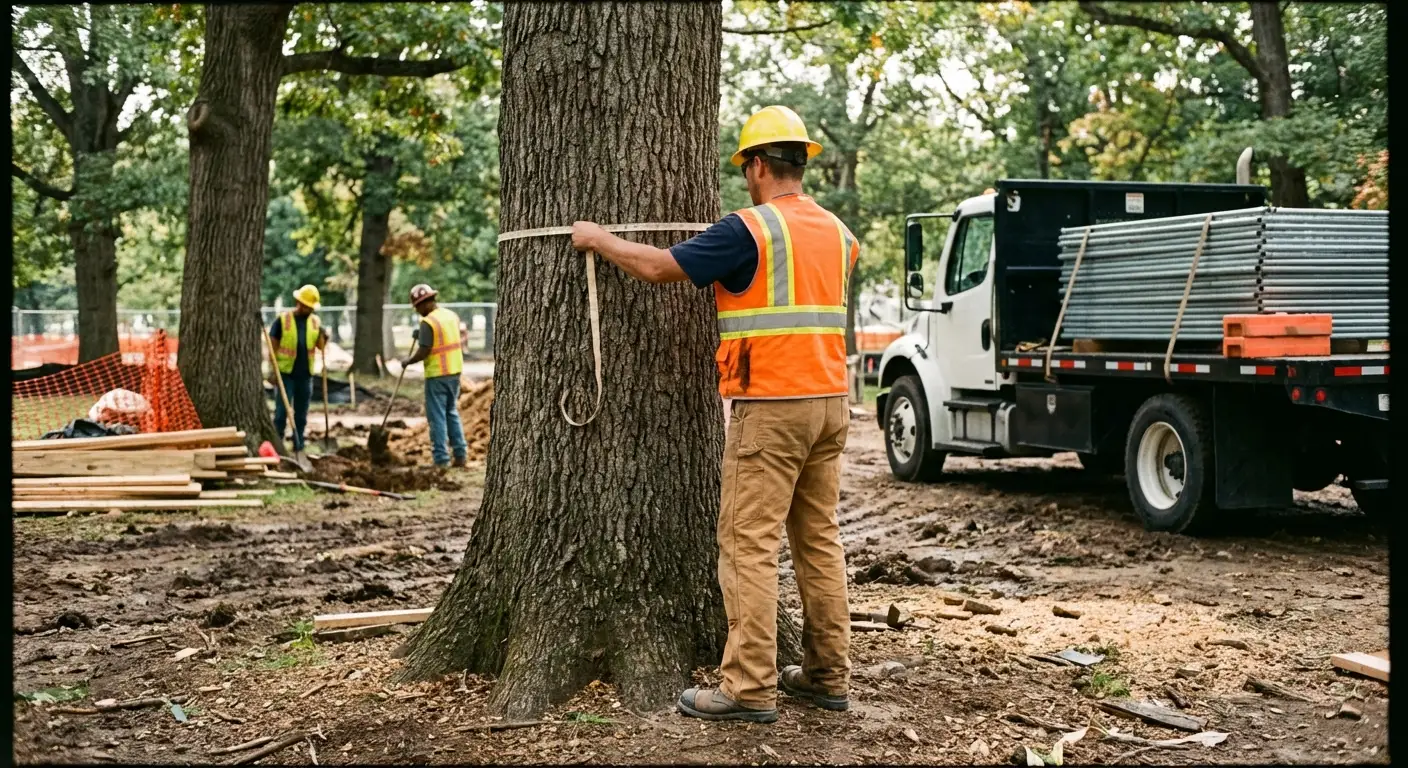
Root Zone Compliance Specifications
Essential requirements for TPZ fencing in Brookline, MA, ensuring tree protection during construction.
| Root Zone Diameter | 24-36 inches |
|---|---|
| TPZ Fencing Height | 4-6 feet |
| Material Requirements | Galvanized steel or pressure-treated wood |
| Installation Depth | 18-24 inches |
| Compliance Standards | EPA guidelines for soil protection |
| Cost Range | $200-$600 per linear foot |
| Signage Interval | Every 30 linear feet |
Ensure TPZ Fence Compliance in Brookline
Accurate root zone calculations meet Brookline MA regulations.
Common Mistakes We See in TPZ Root Zone Calculations
We’ve seen TPZ fencing go sideways on Brookline jobs when crews guess at the root zone or skip the slope, soil, and tree spread checks. Around Griggs Park and High Street Hill, that’s where compliance trouble starts.
Measuring the TPZ from the trunk without checking the actual dripline and crown spread
That shortcut usually shrinks the protected area too much, and roots on the outer edge take the first hit when equipment, trenching, or stacked material crowds the fence. We’ve watched a winter job near High Street Hill turn into torn feeder roots and a messy inspection because the fence sat in the wrong place.
Measure the tree’s spread in the field, then set the fence to protect the full root zone and any area the arborist or plan requires.
Ignoring grade changes around sloped lots and terraces
A fence line that looks right on paper can land too low on a slope and leave roots exposed uphill, or float too far out downhill and waste needed access space. Around Central Village and Corey Hill Outlook, those grade swings change the math fast, especially when snowbanks hide the edge line.
Walk the grade before layout, mark high and low points, and recalc the fence radius from the true ground line, not a flat plan view.
Mixing up construction access needs with tree-protection limits
Crews sometimes squeeze gates, material staging, or utility runs into the TPZ and assume a narrow opening won’t matter. That’s how compaction creeps in, bark gets rubbed, and the inspector sees a protection zone that no longer functions like one.
Keep the access path outside the TPZ whenever possible, and use temporary gates in Brookline Village or tree protection zones in Griggs Park to separate traffic cleanly.
Setting fence panels without enough stability for winter wind and snow load
A light setup can shift overnight when a Nor’easter hits, and once the line bows, the protected root area opens up to foot traffic and plow damage. We remember one February stretch in Brookline where loose panels leaned into the zone after a wind push and the whole layout needed reset.
Use base and brace hardware that holds the line through weather, and tie the layout back to wind load resistance and concrete steel bases when the site sits exposed.
Skipping the cleanup of debris, soil piles, and equipment staging inside the protected area
Even when the fence line is correct, a TPZ loses value if crews keep dumping spoils or parking lifts inside it. That pressure compacts the soil, cuts oxygen to the roots, and leaves a visual record that the barrier never really protected anything during the build.
Keep the inside of the zone clear, mark the line with dust control mesh where needed, and use zero trip hazard details to reduce accidental entry.
Calculating Protection Zones the Brookline Way
After seeing a developer rip through High Street Hill roots during that brutal 2015 winter, we vowed to do better. Now our TPZ process combines OSHA training with local tree knowledge—measuring twice so heritage oaks and new construction can coexist. Whether it's a Brookline Village historic district or post-2000 condo project, we treat every root zone like it's anchoring the next century's canopy.
-
Accurate Diameter Measurement
We start by measuring the tree's diameter at breast height (DBH) because Brookline's TPZ regulations tie protection zones directly to trunk size. Our crew uses forestry calipers for precision, especially important on High Street Hill's mature oaks.In PracticeA 24" DBH maple needs a 12-foot radius TPZ.
-
Root Protection Mapping
Using spray paint and flags, we mark critical root zones before installing TPZ fencing. This prevents damage to feeder roots near the surface—a common issue in Emerson Garden's clay soils.In PracticeAvoiding compaction under the tree's drip line.
-
Equipment Selection
We choose weighted bases over driven posts near sensitive roots. Near Olmsted Park's historic trees, we'll even use hand tools instead of power equipment when necessary.In PracticeRubber-tracked mini-excavators for minimal ground pressure.
-
Documentation First
Before any post installation, we photograph the marked TPZ and share with property owners. This creates a compliance record Brookline inspectors appreciate.In PracticeTime-stamped photos showing pre-construction root zones.
Root protection that stands up to inspectors and New England winters.
Root Zone Calculation and TPZ Compliance
Technical field guidelines for calculating Tree Protection Zones and managing fencing installations within Brookline residential and commercial landscapes.
How do Brookline municipal inspectors determine TPZ boundaries?
Inspectors measure the Critical Root Zone from the trunk flare. Field crews in Central Village mark these limits using orange flagging to prevent fence post driving into structural roots during site setup.
What equipment prevents root damage during fence installation?
Hand augers replace heavy machinery near trees in High Street Hill. This manual method avoids soil compaction and prevents root severance that occurs when using standard gas-powered drills near established canopy lines.
Are post-2000 building developments subject to root protection?
New construction in post-2000 common zones requires strict TPZ adherence. Contractors must maintain a buffer between fence footings and the drip line to comply with local landscaping preservation standards.
Does Washington Square commercial zoning affect fencing methods?
Commercial sites near Washington Square often utilize weighted temporary barriers. These systems sit on top of the surface to avoid penetrating the root zone entirely, bypassing the need for ground-driven posts.
How is soil compaction measured in Emerson Garden?
Field technicians monitor soil density near fence lines in Emerson Garden. Excessive foot traffic or heavy equipment within the TPZ leads to compaction, which restricts oxygen flow to the root system.
What happens if a fence post hits a major root?
Crews stop drilling immediately if resistance is met. In residential areas like Central Village, we relocate the post position to maintain the integrity of the tree's primary structural roots.
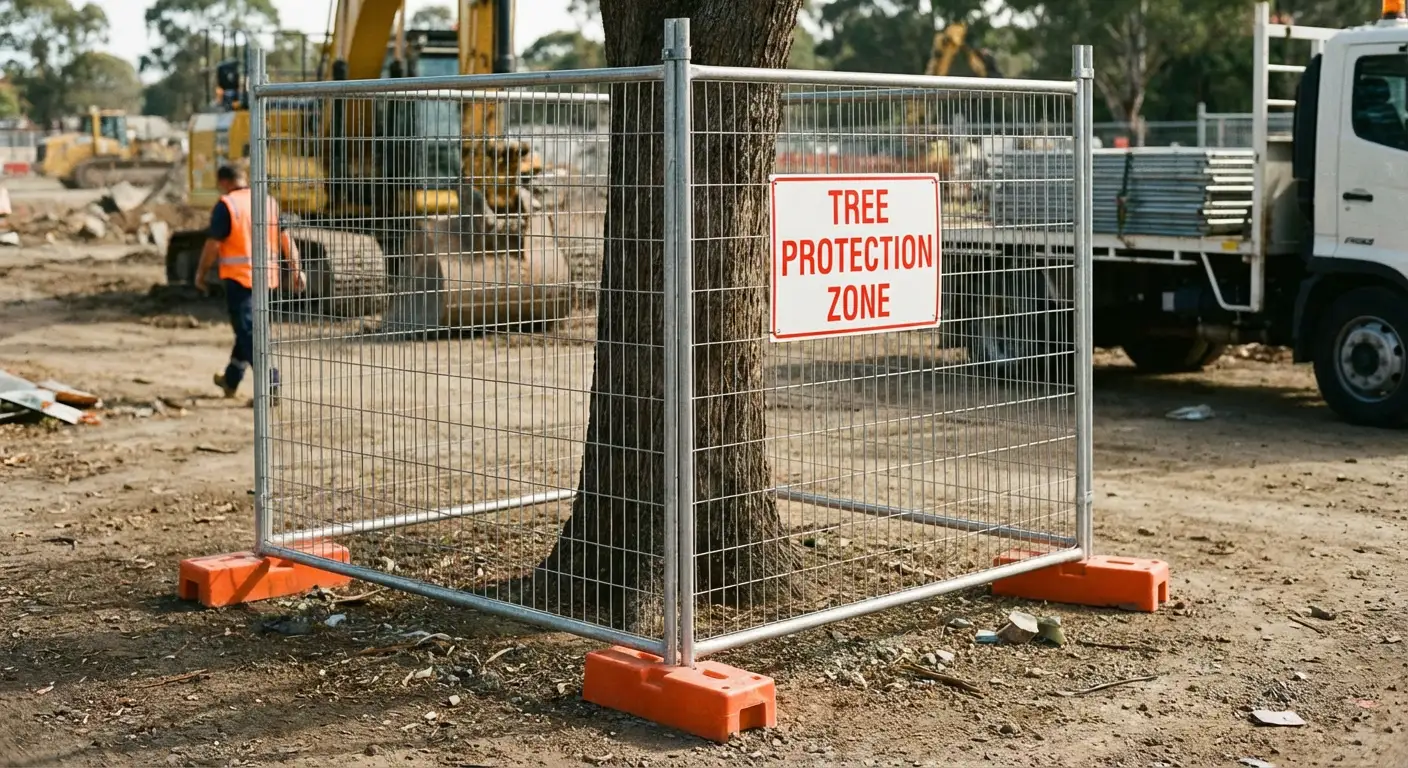
Root Zone Calculation for TPZ Fencing in Brookline
Use accurate root zone calculations to place TPZ fencing for Brookline, MA projects, support compliance, and protect trees during site work.
Local support for Brookline projects with OSHA-aware temporary fencing guidance.